
Detached ADU
Create a Private, Standalone Living Space in Your Backyard
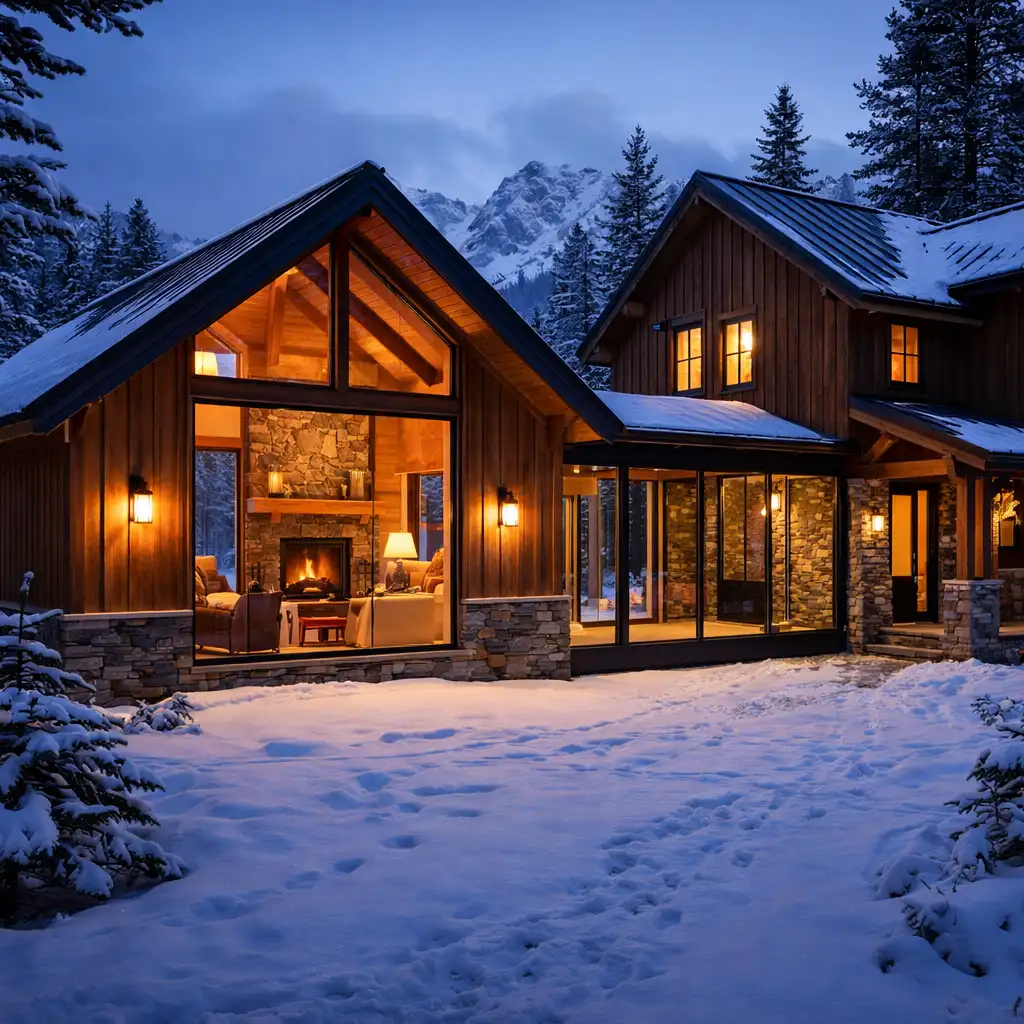
A detached ADU (Accessory Dwelling Unit) is a separate structure built on the same lot as your primary home. In Colorado, detached ADUs are ideal for rental income, multigenerational living, or increasing property value while maintaining privacy.
Benefits of a Detached ADU
Why Choose a Detached ADU
A detached ADU offers the highest level of independence and flexibility compared to other ADU types. Because it is built as a separate structure, it provides privacy for both the homeowner and occupant while maximizing long-term property value and rental potential. In many Colorado cities, detached ADUs are especially attractive for multigenerational living and passive income opportunities.
Complete privacy from the main home
Highest rental income potential
Increases long-term property value
Flexible use (guest house, office, in-law suite)
Works well on larger Colorado lots
Separate entrance and utilities (when allowed)
Common Layouts & Options
A detached ADU offers the highest level of independence and flexibility compared to other ADU types. Because it is built as a separate structure, it provides privacy for both the homeowner and occupant while maximizing long-term property value and rental potential. In many Colorado cities, detached ADUs are especially attractive for multigenerational living and passive income opportunities.
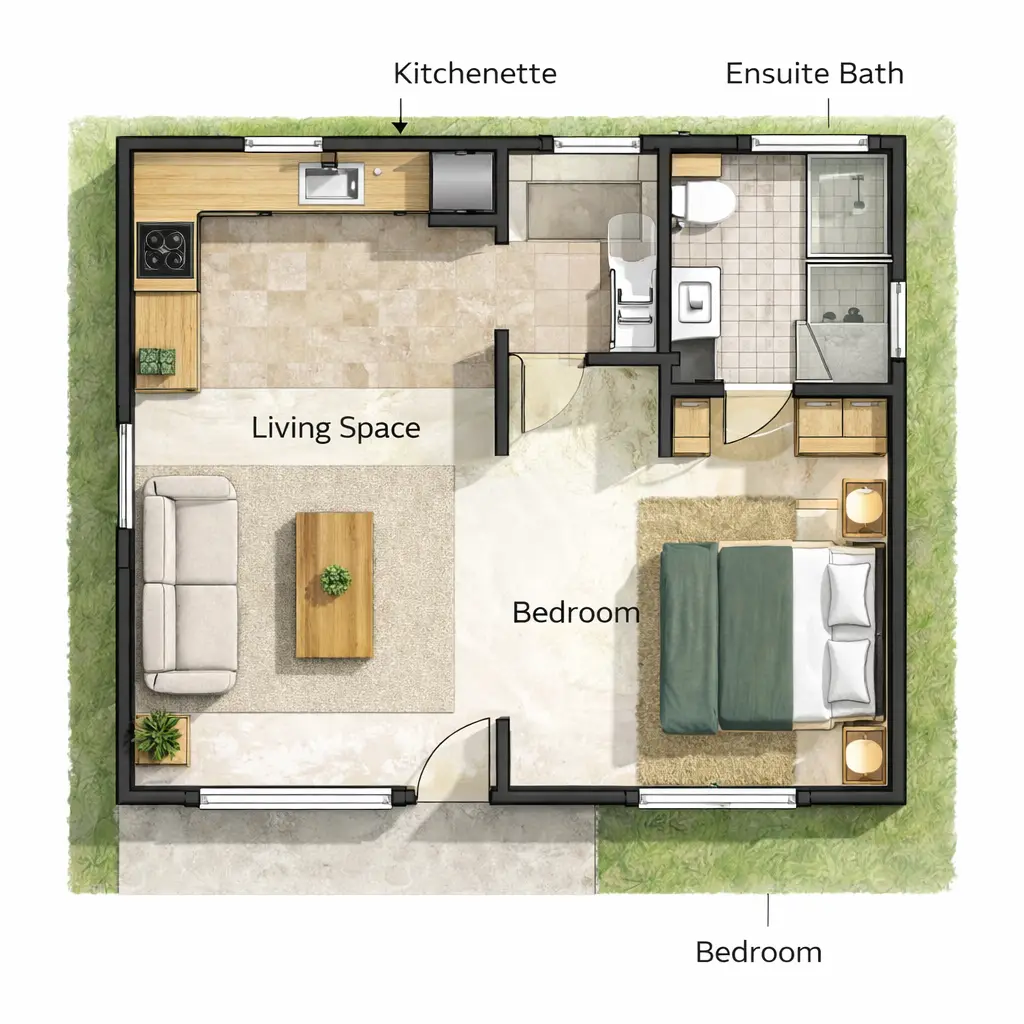
Studio ADU (400–500 sq ft)
Efficient open-concept design with combined living and sleeping area, full kitchenette, and private bathroom. Ideal for rental income, guest space, or independent living.
1-Bedroom ADU (550–750 sq ft)
Private bedroom, full kitchen, spacious living area, and full bathroom. Perfect for long-term rental, aging parents, or adult children.
2-Bedroom ADU (800–1,000 sq ft)
Two bedrooms, full kitchen, open living area, and one or two bathrooms. A great option for small families or higher rental potential.
How much does it cost to build a detached ADU in Colorado?
Several factors influence your final project cost. For a personalized estimate, visit our ADU Costs in Colorado page or contact us for a free consultation.
Unit size and number of bedrooms
Foundation type (slab, crawl space, or basement depending on site conditions)
Utility trenching and connections (distance from main home)
Snow-load and structural engineering requirements
Interior finishes and energy-efficiency upgrades
Site preparation, grading, and city-specific permit or impact fees
How It Works
Your Colorado ADU Journey in 5 Steps
01
Free Consultation
Discuss your goals, budget, and property potential (zoning check included).
02
Design & Planning
Custom floor plans and 3D renderings that complement Colorado’s unique architectural styles.
03
Permits & Approvals
We handle the complex Denver/Boulder/Aurora permitting and utility tap fees.
04
Construction
Expert build-out using climate-appropriate materials and energy-efficient systems.
05
Final Walkthrough
Inspect every detail and ensure your new space is move-in ready.
Permits & Considerations
Detached ADU regulations vary by city. Denver, Boulder, Fort Collins, and Colorado Springs each have unique zoning rules, lot size minimums, and height restrictions.
Colorado-specific factors include:
Snow-load roof engineering
Energy efficiency requirements
Setback compliance
Historic district approvals (where applicable)
FAQs
Homeowners Questions on Detached ADUs
Are detached ADUs legal in Colorado?
Yes, many Colorado cities and counties allow detached ADUs, but zoning rules, lot size requirements, and design standards vary by municipality. Some areas have specific regulations regarding owner occupancy, maximum square footage, height limits, parking requirements, and setback distances. It’s important to review your local zoning code or work with a knowledgeable ADU builder who understands Colorado’s city-specific guidelines.
Can I put an ADU on my property in Colorado?
Almost certainly yes if you live in an urban or suburban “subject jurisdiction.” Thanks to Colorado’s HB24-1152, most cities along the Front Range are now required to allow at least one ADU on any lot with a single-family home. Furthermore, the law now prevents many HOAs from flat-out banning ADUs, though they can still enforce “reasonable” design standards.
Can I rent out a detached ADU in Colorado?
In many Colorado cities, detached ADUs can be used as long-term rentals, providing an excellent opportunity for additional income. However, short-term rental (STR) regulations vary widely by city and county, with some areas requiring special permits or limiting STR use. Always check local ordinances to understand rental restrictions, licensing requirements, and occupancy rules before listing your ADU.
Does a detached ADU increase property taxes?
Yes, adding a detached ADU typically increases your property’s assessed value, which can raise property taxes. The exact increase depends on the size, quality, and value added to the property. However, many homeowners find that rental income or increased resale value offsets the higher tax assessment over time.
Do detached ADUs in Colorado require special structural considerations?
Yes, Colorado’s climate—especially snow loads in higher elevations—often requires additional structural engineering for roofs and foundations. Energy-efficiency standards and insulation requirements are also important due to cold winters and temperature swings. Working with a builder experienced in Colorado conditions ensures your ADU is safe, durable, and code-compliant year-round.
Ready to Build Your Detached ADU?
We help you build your dream detached ADU every step of the way. Get in touch with one of our experts to start planning your ADU project.