
ADU Laws in Colorado (2026 Guide)
How to Build a Legal ADU in Colorado
Accessory Dwelling Units (ADUs) are legal in many parts of Colorado, but rules are controlled by cities and counties — not the state as a whole. That means ADU regulations vary depending on where your property is located.
ADU Laws
How Colorado ADU Laws Work
ADU laws are primarily regulated at the city and county level, not statewide. That means regulations differ by location. In general:
Most larger Colorado cities allow ADUs in certain residential zones
Smaller towns and rural counties may have stricter or more limited allowances
Zoning, lot size, and design standards determine eligibility
Building permits are always required
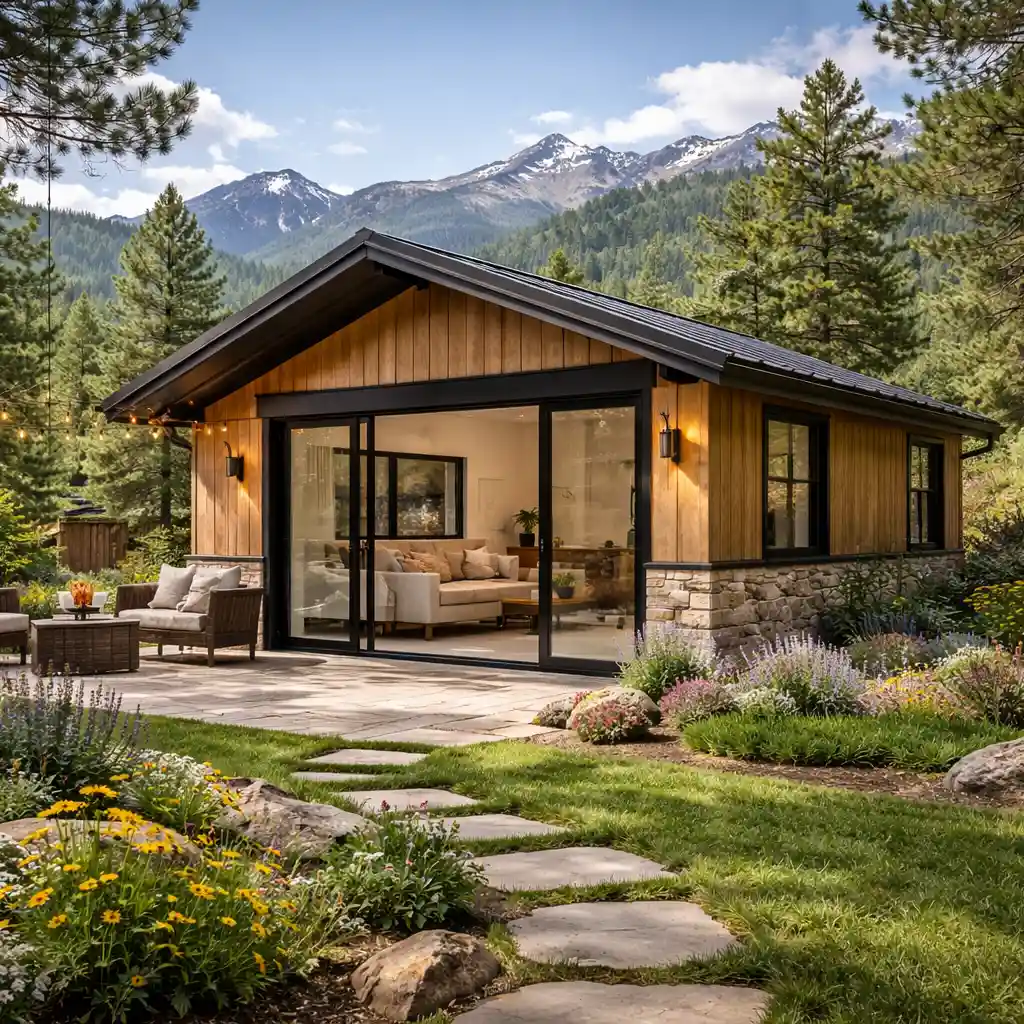
Quick Facts About Colorado ADU Rules
Below is a general overview. Exact rules depend on your city or county.
Regulation Category | Typical Colorado Standard (Varies by City) |
Are ADUs Legal? | Allowed in many municipalities |
Maximum Size | Often capped by square footage or % of main home |
Owner Occupancy | Required in some cities; waived in others |
Parking | 0–1 additional space depending on transit access |
Setbacks | Reduced rear/side setbacks often allowed |
Height Limits | Detached units may have lower height caps |
Short-Term Rentals | Usually regulated separately with licensing |
Separate Utilities | Not always required |
Permit Required? | Yes — always required |
Your ADU Journey
Colorado ADU Permitting Steps Overview
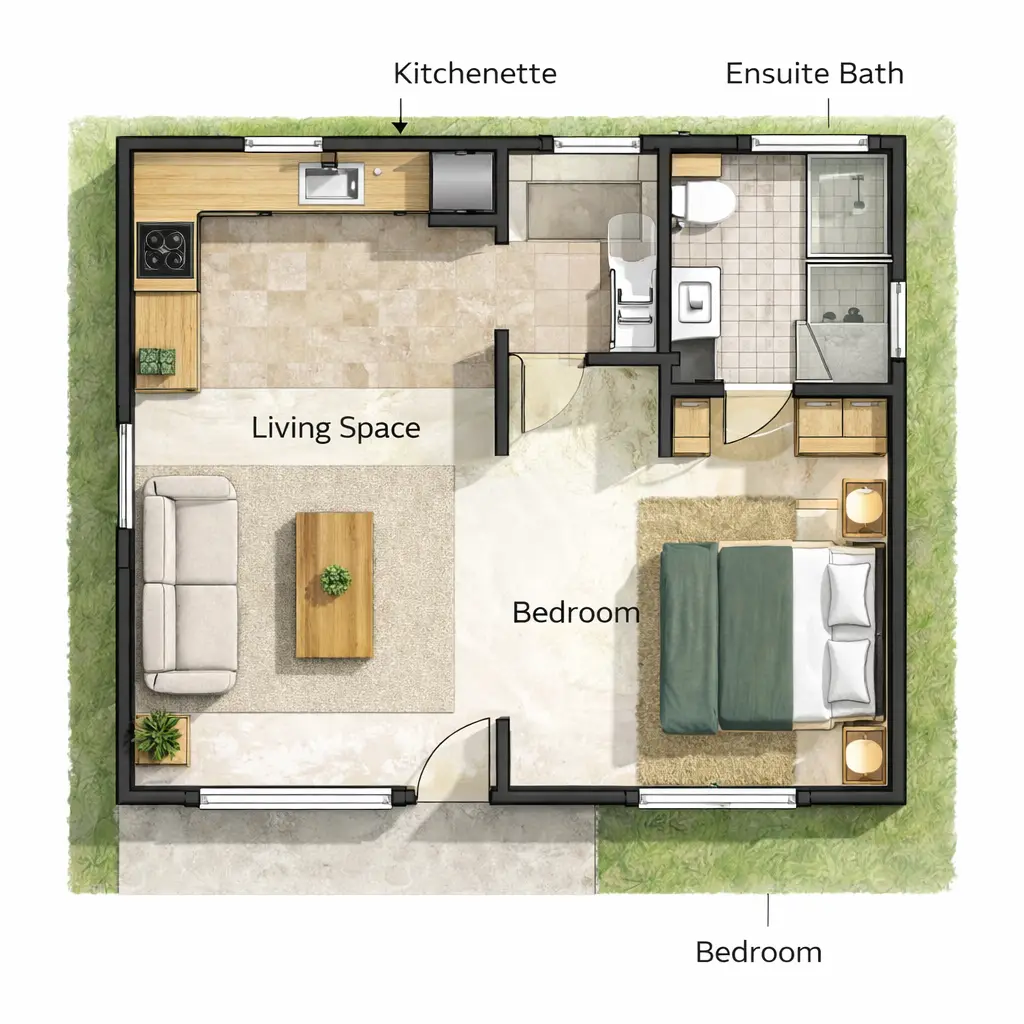


Zoning Verification
Confirm your property is in a district that allows ADUs.

Feasibility & Site Review
Evaluate lot size, setbacks, access, and utilities.

Design & Plans
Prepare architectural drawings that meet local building codes and energy standards.

Permit Submission
Submit plans for zoning and building department review.

Plan Review & Revisions
City reviewers may request adjustments before approval.

Permit Approval
Once approved, construction may begin.

Inspections & Final Approval
City inspections ensure compliance before issuing a Certificate of Occupancy.
FAQs
Common Homeowner Questions
About ADU Laws in Colorado
Are ADUs legal statewide in Colorado?
ADUs are not governed by one single statewide rule in Colorado. Instead, each city and county sets its own zoning and development standards. Many larger cities allow ADUs in certain residential districts, but eligibility depends on your specific property location.
How big can an ADU be in Colorado?
The maximum size of an ADU varies by municipality. Many Colorado cities limit ADUs either by a fixed square footage cap or by a percentage of the primary home’s size. Some jurisdictions also restrict total lot coverage, which can affect how large your ADU can be built.
Do I have to live on the property if I build an ADU?
Owner-occupancy requirements depend on the city. Some municipalities require the property owner to live in either the primary residence or the ADU, while others have removed this requirement to encourage housing development. It’s important to verify current rules, as policies are evolving in many Colorado communities.
Do I need to add parking when building an ADU?
Parking requirements vary by location and zoning district. Some Colorado cities require one additional off-street parking space for an ADU, while others waive parking requirements near transit corridors or in certain neighborhoods. Your property’s layout and existing driveway access can also affect compliance.
Can I use my ADU as a short-term rental (Airbnb)?
Short-term rental regulations are typically separate from ADU zoning rules. Many cities require short-term rental licensing, and some limit rentals to primary residences only. Before planning to use your ADU as an Airbnb, you should review your city’s short-term rental ordinance carefully.
Are garage and basement conversions treated differently under the law?
Garage and basement conversions are usually allowed where ADUs are permitted, but they must meet building and safety codes. Basement units often require egress windows and minimum ceiling heights, while garage conversions may trigger parking replacement requirements. Each conversion must comply with structural, fire, and energy efficiency standards.
How long does ADU approval take in Colorado?
Approval timelines vary depending on the city, project complexity, and current permit backlog. The process usually includes zoning review, plan review, and potential revisions before final approval. Working with experienced ADU designers can help reduce delays and streamline compliance.
Ready to Check Your Property’s ADU Eligibility?
Understanding your local ADU laws is the first step toward building legally and confidently. Call today to speak with our ADU expert and start planning your build.